The One Habit That Builds Wealth
14 Dec, 2025
Invest first. Pay your bills second. Spend what remains.
I recently watched a video featuring a group of people in their 80s discussing money. One of their biggest regrets? Not investing small amounts consistently throughout their lives. They were American, living in a different context from us here in New Zealand, but that lesson absolutely holds true.
I meet many people who reach their 40s, 50s and 60s, genuinely surprised by how little wealth they’ve accumulated. They feel they have “done everything right”: paid their bills, avoided debt, managed a mortgage, and contributed to KiwiSaver. Yet when it comes time to step away from work at 65, they’re confronted with too many outgoings and not enough invested assets to cover the next 20-40 years of retirement (I’m an optimist, ok 😉).
This theme is at the front of my mind for me right now as our daughter prepares to leave home in a few months. We’re deep in conversations about how to manage money well for this next stage of her life. Well, as deep in conversation as you can be with a teenager. Our money kōrero is mostly in short, to-the-point snippets, which is surprisingly effective but hard for her mother, who generally prefers a long-winded explanation over a short one!
Until mid-year, she invested 50% of every dollar she earned into a Smart Total World ETF through Sharesies. Despite its high fees, it’s been a simple, easy platform for teaching the habit of consistent investing. Plus, she invests in KiwiSaver and saves money in her bank. That 50% investment rate has built her an impressive starting nest egg - but like most of us, keeping that rate up is difficult.
To sustain a high investment rate, you either need very low outgoings (her reality while living at “Hotel Mum and Dad”) or a high income. Most of us tuned into our finances sit somewhere in the middle, and that changes over time. That’s why I strongly believe in setting an investing target you prioritise and protect.
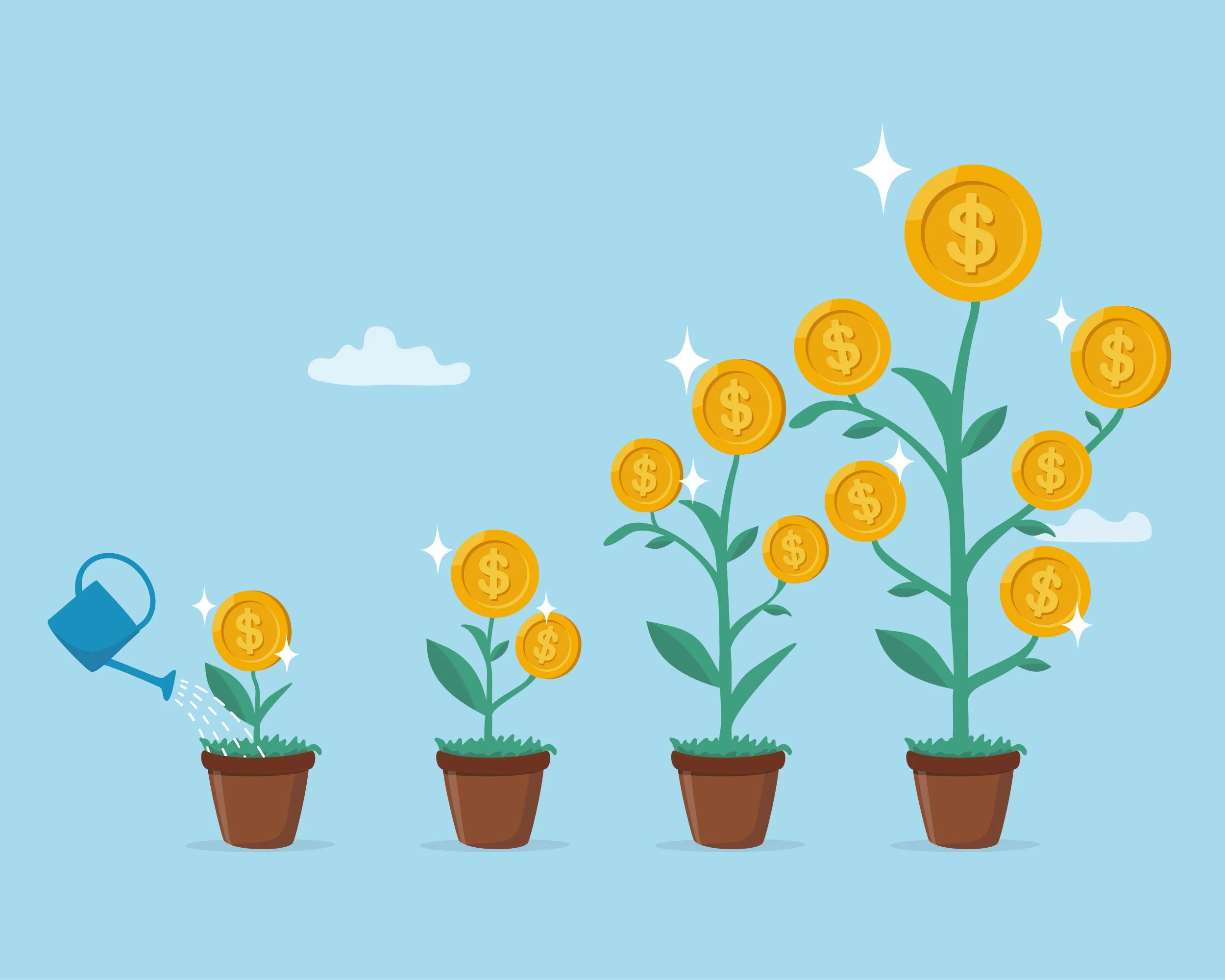
Invested money grows. Compounding growth builds the wealth you will rely on later. Those in the video I watched didn’t work this out until it was too late.
One of the easiest mistakes to make is to spend first and invest second. Human nature wants to find a “better” use for your cash, and if you leave investing until last, it simply won’t happen.
So whether you’re 18 and moving out, 52 and planning on retiring early, or anywhere else on your financial journey, the discipline is the same: take a portion of every dollar you earn and invest it for your future self.
How We Landed on a 30% Investing Rate
Jonny and I aim to invest 30% of our take-home pay (excluding his KiwiSaver employee contributions, which are small due to his part-time hours). We arrived at that number through trial and error, which will feel wildly unscientific to the mathematicians reading this.
Once a week, an automatic transfer moves a set amount into a separate bank account. That balance builds up over the month, and on the 20th, we invest everything in that account. Plus any ‘extra’ that I can find.
But here’s the thing: We didn’t choose 30%. It chose us.
I gradually increased the amount we transferred, checking whether we could still pay our bills and replenish our sinking funds. If things felt too tight, I’d try trimming our spending first. I would only reduce the investment amount if that failed. And whenever we could consistently sustain it, I increased our investment contribution again.
Would I love to invest more than 30%? Absolutely. But maths meets reality, and we earn what we earn based on the hours we enjoy working, and we can only invest within those self-imposed limits.
The key is this: We invest first, then spend what’s left. Not the other way around.
This year, I noticed that as 2025 winds down, our actual investing rate has slipped to 28%. I could ignore it and blame rising costs, but instead I’ve set myself a challenge: find the extra cash and finish the year at 30%.
I don’t manually calculate any of this - PocketSmith does it for me. Our investment rate stares at me every time I log in, challenging us to do better. It simply calculates the percentage of income we allocate to investments.
PocketSmith showing me our percentage of income we allocate to investments.
With a month to go, the plan is to put in the mahi and close the gap. Yes, the timing is awkward with Christmas, but here’s the truth: If you wait for perfect investing conditions, you’ll never invest. There will always be a reason not to.
We’ll get it done - and we’ll finish the year having set a 30% goal and hit it.
Teaching Our Daughter the Same Habit
Why don’t young people invest? Generally, it is because no one explained to them that they should.
Young people who don’t prioritise investing become old people who don’t prioritise investing.
Despite the significant university expenses ahead for our daughter, we’ve helped her set her non-negotiable investing rate at 20%. Why?
Because we all face periods of heavy outgoings, if you pause investing every time you hit a financial blip, you’ll never build meaningful wealth. You’ll simply retire having under-invested.
From day one, I want her to understand the principle from The Richest Man in Babylon:
“A part of all you earn is yours to keep.”
Meaning: Invest first. Always. Spend second.
This single habit is already paying off for her, and she can see that her investment is generating returns. And in 2026, she will draw a small income from those investments. She is building her own money-making machine. As are Jonny and I.
The Math That Still Holds True
There’s a well-known Mr Money Mustache post from 2012 that uses real maths to show how your savings rate determines your path to financial independence: The Shockingly Simple Math Behind Early Retirement. I love his simple explanation.
He says:
“Your time to reach retirement depends on only one factor: your savings rate, as a percentage of your take-home pay.”
That’s the idea I keep returning to, for myself and for our daughter.
Invest first.
Pay your bills second.
Spend what remains.
And your future self will thank you for the discipline you showed today.
What are you waiting for? Start now.